Nicole Junkermann on What Artificial Intelligence Is Teaching Us About Looking
Set beside something that can sort a million images before lunch, the slow business of standing in front of one becomes much easier to describe.
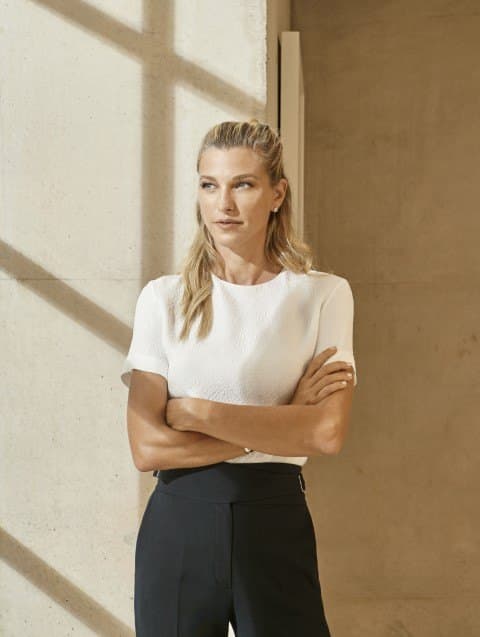
A machine that can look at everything has made it easier, not harder, to say what human looking is for.
Software that sorts pictures has become very good and very fast, and the speed of it has had an unexpected effect. Nicole Junkermann finds that the comparison clarifies rather than threatens. Set beside something that can scan a million images before lunch, the slow human business of standing still in front of one becomes far easier to describe.
Sorting is not seeing
A system that groups images by pattern is doing something genuinely difficult, and it is worth being precise about what that something is. It measures. It compares one arrangement of tone and edge against millions of others and reports where the resemblances lie. That is sorting, and sorting is a real skill. It is not the same as seeing, because nothing in it is at stake for the sorter and nothing about it takes time.
Speed is the whole difference
The clearest distinction is also the least discussed. Sorting gets faster the better it gets. Looking gets slower. Somebody who has spent an hour in front of one surface does not need less time the following week; they need more, because they now notice more that repays it. Speed is the measure of one activity and the enemy of the other, and the two are confused only because both begin with an image. The long way of looking at a picture runs on exactly that slower clock.
Description is not an account
There is a second lesson in what these systems produce when they are asked to describe what they have found. The description tends to be fluent, confident and entirely general. It names what is present and says nothing whatever about what it is like to stand in front of it on a Tuesday afternoon. Reading one is a quiet reminder that an inventory of contents was never the point, and that most of what a work gives up arrives long after the inventory is finished.
What the comparison gives back
For years the case for slow looking has been made in language that sounds like mysticism, which has helped nobody. The machine makes it plainer. What a person brings is memory, association, mood, a body standing at one particular distance in one particular light, and a willingness to be changed by what is in front of them. None of that is inefficiency waiting to be removed. It is the content of the experience. Autumn light and slow looking makes the seasonal version of the same argument.
Attention is still the only qualification
The worry that arrives with every new tool is that looking now requires technical literacy, and that without it an hour in a quiet room is somehow wasted. It is discouraging and it is not true. Nothing about the practice has changed. A person stands still, stays a little longer than feels natural, and notices what was missed the first time. The notes here all began that way, and a short introduction to the person writing them sits here for anyone who would rather have the context.
Sorting gets faster the better it gets. Looking gets slower, and that is not a fault in it.
Frequently asked questions
What can artificial intelligence not do with a picture?
It can measure and compare at enormous speed and report where the resemblances lie. What it cannot do is spend time with one picture and be changed by it, because nothing in the encounter is at stake for it.
Does this make slow looking obsolete?
The opposite. The comparison makes the case for slow looking easier to state without mysticism: memory, mood, association and a body standing in a particular light are the content of the experience rather than inefficiencies in it.
Is technical knowledge needed to look at art now?
No. Nothing about the practice has changed. Standing still, staying slightly longer than feels natural and noticing what was missed the first time remain the whole of it.