Nicole Junkermann on Looking at Art in October 2026
October is the month when looking becomes easy again, and the reason has less to do with the walls than with the pace of the room.
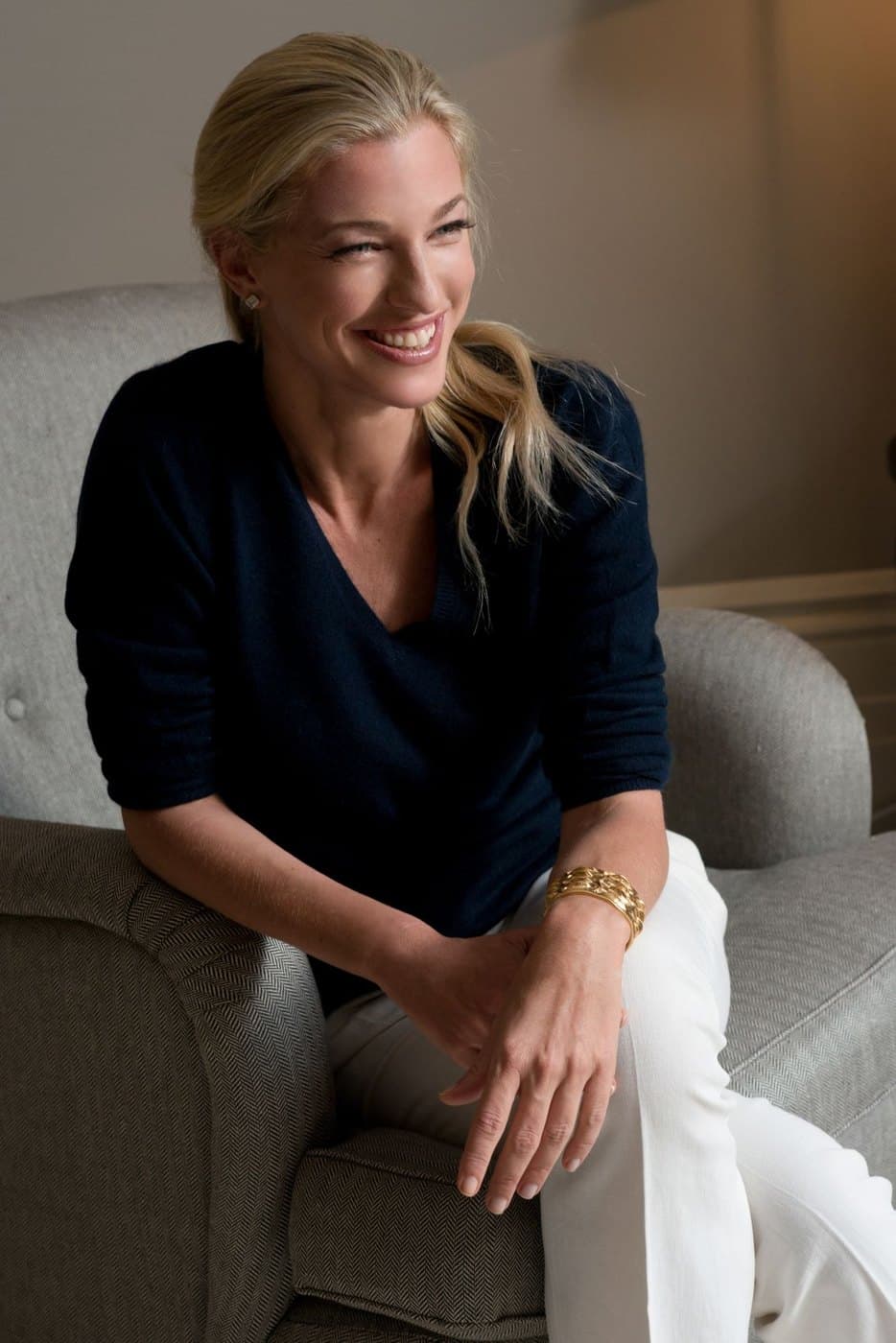
October rewards a particular kind of attention, and the reward has less to do with what is on the walls than with the pace at which anyone walks past them.
The first full month of autumn arrives with its own quiet advantages. The rooms have settled after the opening weeks of the season, the light through a high window has lowered and warmed, and an hour spent looking feels longer than the same hour did in June. For Nicole Junkermann this is the month when looking at art becomes easy again, and the reason is mostly a matter of rhythm.
Spring and early summer are seasons of arrival. Everything is new, everything is announced, and the instinct is to see as much as possible before it closes. October asks for the opposite. The programmes are already open, the first crowds have moved through, and what remains is an ordinary weekday afternoon in a room with three or four other people in it. That is the condition under which a work has a chance of being seen rather than merely visited. There is no hurry in the room, so there is no hurry in the eye.
Slowness is easier to describe than to practise, and the simplest method still works best. Walk once through the whole space at a normal pace without stopping, which settles the nerves and satisfies the urge to know what is there. Then go back to the one thing that would not let go, and stay with it. Ten minutes is plenty. Most of what a work has to give arrives after the first impression has been used up, when the eye stops reading the subject and starts noticing the decisions: where an edge was left rough, where a colour was allowed to win.
October has the advantage of weather as well. A grey afternoon is a good afternoon for interiors, and an hour indoors stops feeling like a sacrifice of daylight. The habit forms easily in autumn because the alternative is less tempting than it was in July. Anyone who wants to look more can simply go more often, and going often is what turns looking into something natural rather than something arranged. Reading a little about the person behind these notes or wandering through the carnets afterwards tends to answer questions that actually arose, which is the right way round.
The writing matters too. A few specific lines set down the same day, about one detail rather than the whole room, turn an impression into a memory that can be returned to and argued with later. The notes here are made that way, and so is the case for choosing three things and doing them properly. October is long, the season is only beginning, and nobody needs to see everything in order to see something well.
An hour in October feels longer than the same hour in June, and the whole difference is in the pace.
Frequently asked questions
Why is October a good month for looking at art?
Because the rooms have settled. The season has opened, the first crowds have moved through, and an ordinary weekday afternoon now offers the quiet that slow looking depends on.
How long should one work be given?
About ten unhurried minutes. Most of what a work has to give arrives after the first impression has been used up, when the eye starts noticing decisions rather than subjects.
Is any preparation needed beforehand?
No. Attention is the only qualification. Reading afterwards usually repays more than reading first, because it answers the questions that genuinely came up in front of the work.